



Year 6 - Horse Chestnut and Silver Birch
Welcome to Year 6! Join us as we embark on an exciting journey through the fascinating topics and experiences that make this year truly unforgettable. From engaging lessons that spark curiosity to hands-on creative projects, every day brings something new and inspiring in our classrooms. Whether we're reading captivating books, exploring significant historical events or working together on fun challenges, Year 6 is all about developing a love for learning. Come and discover what we're learning about!
A brief overview of everything Year 6!
y6 curriculum meeting 2026 1 .pdf
Year 6 residential information
Maths
In year 6, Maths is taught everyday for at least an hour. We follow the White Rose Maths Scheme of work but we adapt it to suit the needs of our children. At the start of every lesson, we will go over previous learning as a warm up to make sure that we are keeping our skills sharp.
If you would like to do any work at home to help with revision of these skills then please use the link to home learning booklets. Please stick to the learning booklets for the current or past half terms and don't try to race ahead of what we are learning in class.
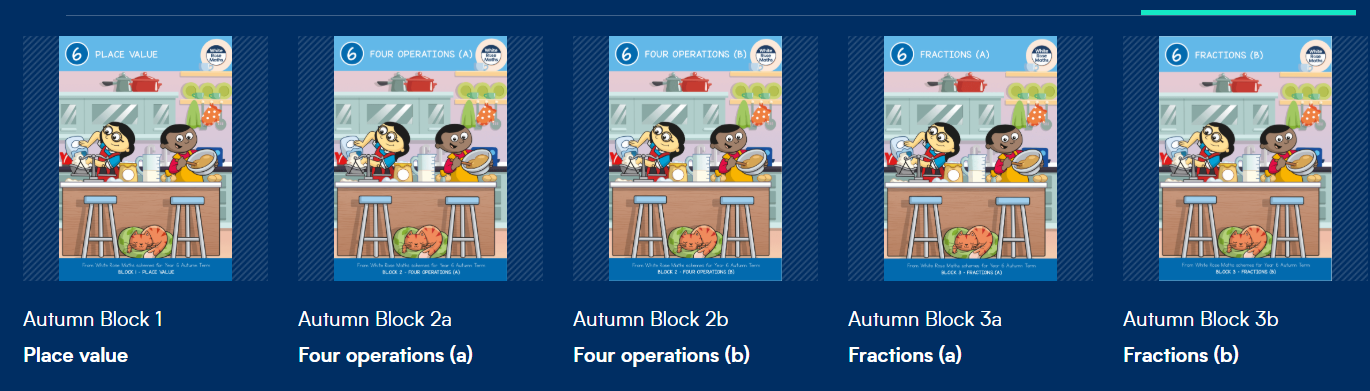
Link to Maths work books for home use
Maths knowledge mats:
English
During English this half term (Autumn 1), we will be reading Michael Morpurgo's stunning retelling of the children's classic Anglo-Saxon story of ‘Beowulf.’
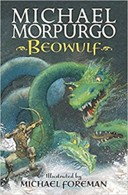
In fifth-century Denmark, a murderous monster stalks the night. Only, Beowulf, the Prince of the Geats has the strength and courage to defeat Grendel, the foul fiend, a hideous sea-hag and a monstrous fire-dragon.
Our Year 6 children will explore the characters of King Hrothgar, Beowulf and Grendel to publish a range of writing pieces, including a character description of Grendel, a diary entry from the perspective of Beowulf and a non-chronological report based on a mythical creature. They will apply a range of their writing tools to develop their sentence structure, create imagery and build cohesion in their writing.
Please click the link for some useful activities to complete at home with your child: Beowulf Teaching Resources - Michael Morpurgo
In Autumn 2, we will be reading and exploring Viking Boy by Tony Bradman, a fantastic, action-packed text linked to our history topic on ‘How did Britain change between the end of the Roman occupation and 1066?’
Steeped in Viking history and legend, this exciting story follows Gunnar, the son of a Viking chieftain as he encounters the Valkyries, journeys across the Rainbow Bridge to Asgard and enters the sacred Halls of Valhalla to seek his father and exact revenge on the men who killed him.
We will use this book to inspire our own pieces of writing over the coming weeks. Our first writing piece will be a non-chronological report about Odin, the King of the Viking Gods. The children will also have the opportunity to apply their writing skills to draft and publish a descriptive narrative.
In Guided Reading, we will use a range of our reading skills to make predictions, explore themes and analyse characters from this remarkable book.
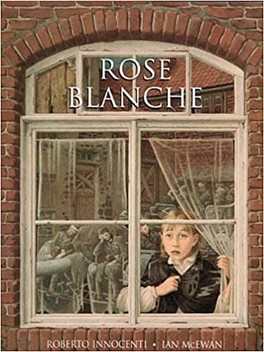
In Spring 1, we will use the text Rose Blanche as a stimulus for our writing. The children will engage in a variety of activities, including text analysis, vocabulary building, and shared writing sessions. Initially, we will focus on narrative writing, before progressing to writing a balanced argument, where they will consider different perspectives on the topic of evacuation during WW2. Using extracts and images from the text, the children will plan, draft and write their own retelling of the story, incorporating dialogue and developing character interactions. This text ties into our History topic on WW2, particularly the theme of evacuation, providing the children with a meaningful context for their writing. In addition, daily grammar activities will help strengthen their understanding of grammar, punctuation, and spelling, while also offering opportunities to develop their oracy skills.
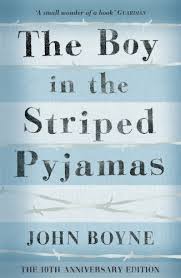
In Guided Reading, the children will be reading The Boy in the Striped Pyjamas, a poignant and insightful novel set during WW2. Through this text, the children will develop key reading skills such as comprehension, inference and prediction. Each session will focus on different aspects of the text, allowing pupils to engage with the characters, plot and key themes. They will practise identifying and explaining key ideas, making inferences based on evidence from the text and discussing the author’s choice of language. As they read, they will also explore how the story’s setting and characters contribute to the themes of friendship, innocence and the impact of war. Additionally, guided discussions will help children deepen their understanding of the text, while also building their ability to express their thoughts and opinions clearly. Through these activities, the children will enhance their reading fluency and develop a more critical approach to the texts they encounter.
Religious Education
Religious Education knowledge mats:
re creation and covenant knowledge mat.pdf
Science
Science knowledge mats:
evolution and inheritance knowledge organiser.pdf
circulatory system knowledge organiser.pdf
electricity knowledge organiser.pdf
Curriculum
Curriculum knowledge mats:
Art
Art knowledge mats:
art knowledge mat exploring identity.pdf
ar knowledge mat take a seat.pdf
art knowledge mat activism.pdf
Design and Technology
Design and Technology knowledge mats:
dt cams knowledge organiser.pdf
Computing
Computing knowledge mats:
year 6 autumn 1 computing knowledge mat 1 .pdf
year 6 autumn 2 computing knowledge mat 2.pdf
year 6 spring 1 computing knowledge mat.pdf
Example timetable
This is subject to change on the needs of the week and the children.
Homework
Staff
6 Horse Chestnut
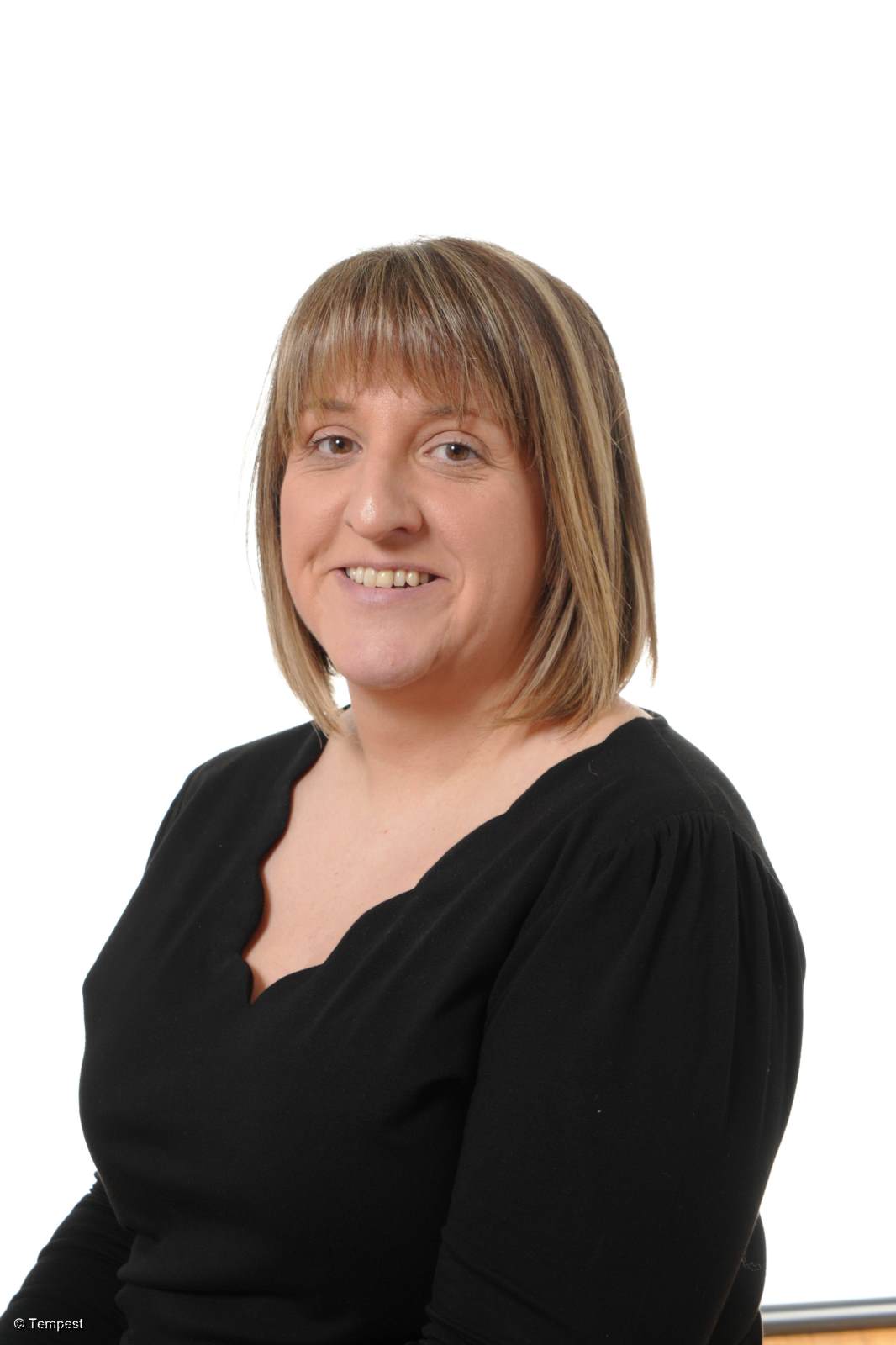
Mrs Pearson - Class Teacher
Upper Key Stage 2 Phase leader, Mathematics and The Arts Lead.
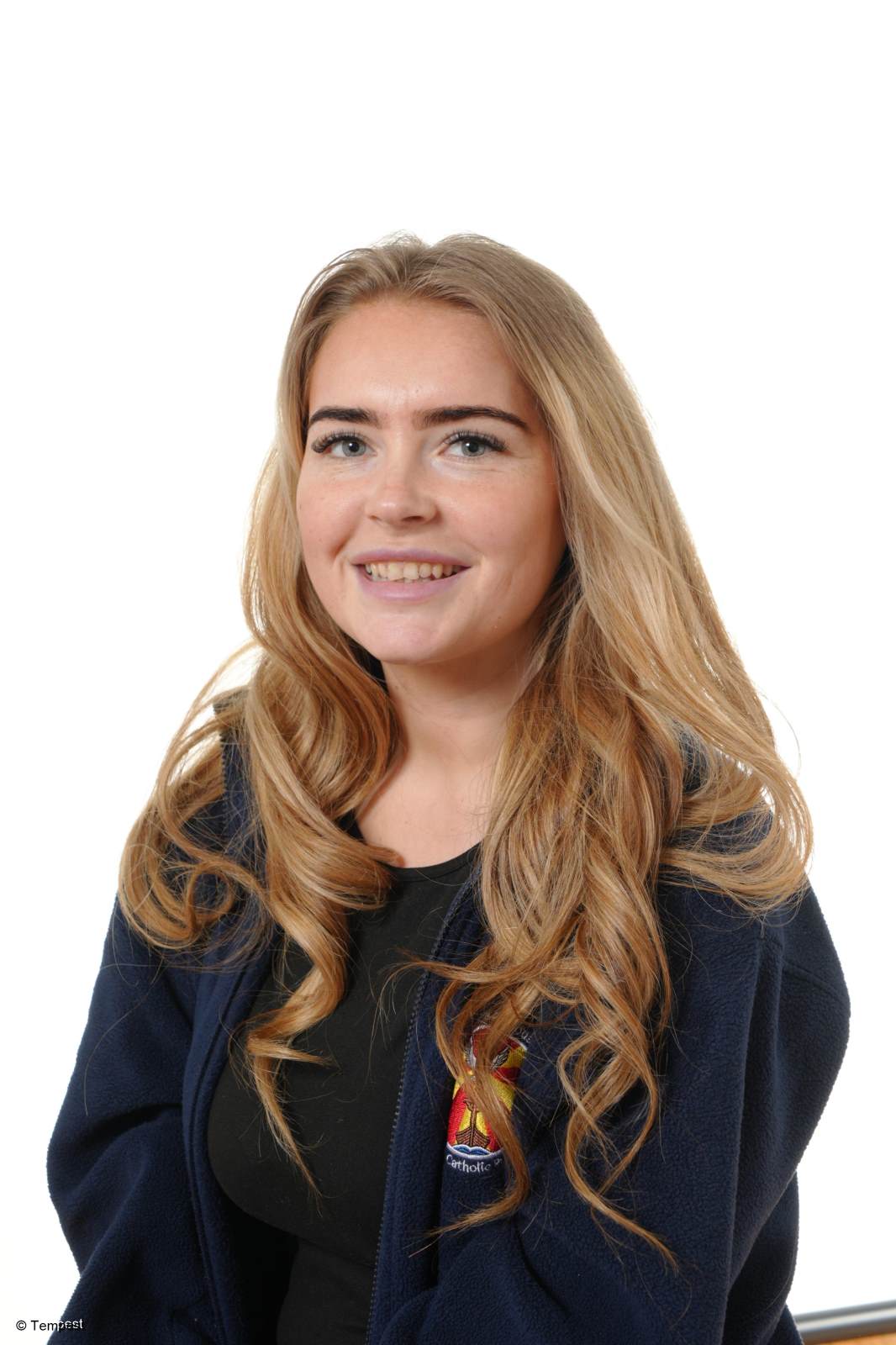
Miss Greaves- Teaching Assistant
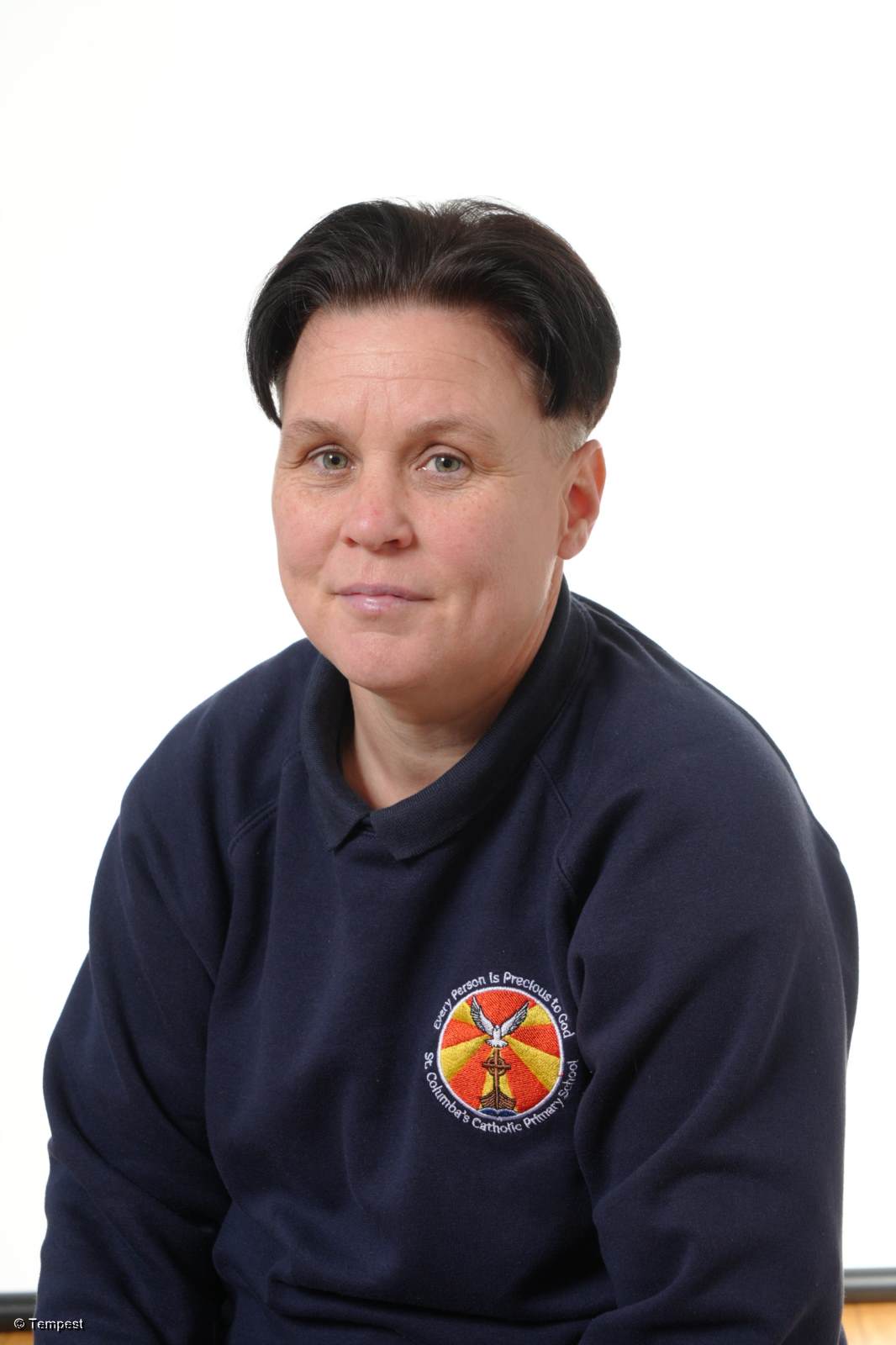
Miss Lowther - Teaching Assistant
6 Silver Birch

Mrs Barkat - Class Teacher
English Lead.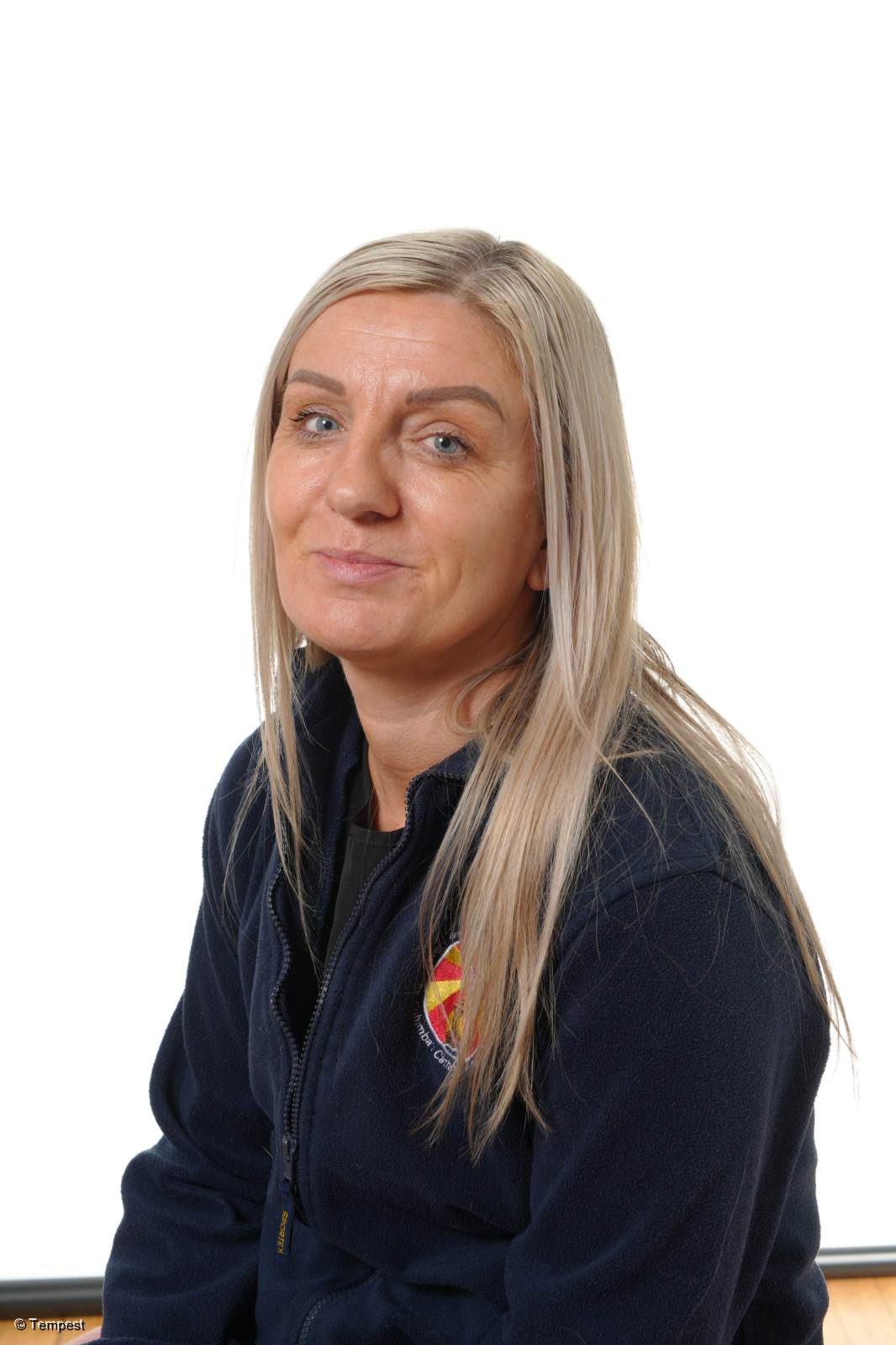
Mrs Strangeway - Teaching Assistant
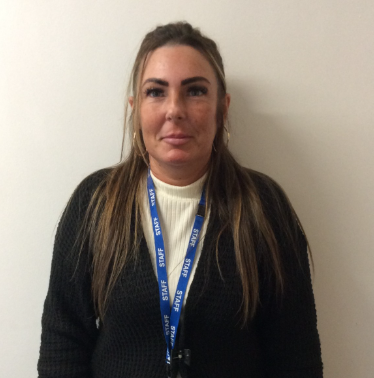
Miss Wilcock - Teaching Assistant